Cocktail Recipes
Welcome to the Product Overview for Cocktail Recipes: Classic, Easy and Creative Drinks. This section introduces the core ideas behind successful cocktails, from fundamental families to practical home bar setups. By understanding these elements, you can confidently mix drinks for everyday occasions, celebrate special moments, or experiment with new flavor combinations. The goal is to blend technique, ingredients, and presentation into consistent, enjoyable experiences. Use the following sections to build a solid foundation for your at-home cocktail journey.
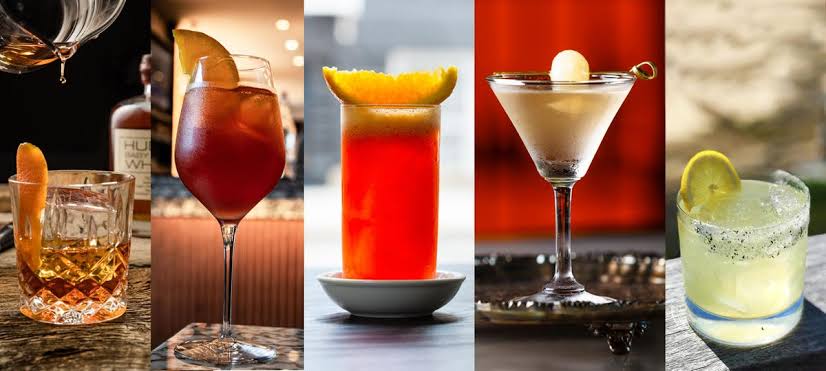
Overview of Cocktail Types
Understanding cocktail types helps anchor recipes to a guiding structure. It clarifies how technique, flavor balance, and presentation come together in different families. By recognizing the core traits and typical examples of each category, you can quickly map ingredients to the right technique, glass, and garnish for consistent results. The following table highlights major families, their defining characteristics, and classic examples to illustrate how these principles show up in everyday home bartending.
| Cocktail Family | Key Characteristics | Classic Examples |
|---|---|---|
| Sour | Tart and refreshing, typically featuring citrus juice balanced with a sweetener. These drinks are often shaken to achieve a bright texture and a light foamy top when egg white is used. | Whiskey Sour; Pisco Sour; Margarita — tequila-based lime and orange notes with salt rim and balanced sweetness. |
| Old Fashioned / Spirit-forward | A foundational style that centers the base spirit, lightly sweetened and seasoned with bitters or a citrus twist. It is typically stirred gently over ice to develop depth and clarity. | Old Fashioned; Manhattan; Negroni — Old Fashioned blends whiskey or rye with sugar and bitters; Manhattan combines whiskey, sweet vermouth and bitters; Negroni balances gin, Campari and sweet vermouth. |
| Long drinks / Highball | Long drinks are built for length and freshness, combining a sturdy base spirit with a generous mixer (soda, juice, or ginger beer) and a bright accent like citrus or herb. | Gin & Tonic; Tom Collins; Moscow Mule — classic pairings showcase balance and refreshing finish. |
| Tiki / Tropical | These are bold, fruit-forward blends often featuring multiple rums, tropical syrups, and aromatic dashes that evoke island travel and festive gatherings. They emphasize aroma and showmanship with garnishes and glassware. | Mai Tai; Piña Colada; Zombie — layered rums, lime, orgeat, and tropical fruit juices. |
| Modern / Creative | Inventive blends that push traditional boundaries with unusual ingredients, infused spirits, and dramatic garnishes. This family prizes balance, texture, and presentation as much as flavor. | Cosmopolitan; Espresso Martini; Paper Plane — combinations that highlight contemporary techniques and visual impact. |
With this framework in place, you can approach new recipes with confidence, knowing which family a drink belongs to and how to adjust its components to suit your guests or occasion.
Essential Bar Tools
Tools form the bridge between concept and final pour. The right implements enable precise measuring, efficient mixing, and clean, professional finishes. Investing in a small set of reliable tools helps you reproduce recipes consistently, experiment with new ideas, and feel confident behind the home bar.
- Cocktail shaker (Boston or Cobbler) enables quick, controlled mixing, chilling, and light aeration to create smooth textures and balanced temperature in shaken drinks.
- Hawthorne strainer keeps ice and solids out of the pour, ensuring a clean, crisp transfer while you guide the liquid into your glass.
- Jigger with dual measurements provides precise scale for spirits and modifiers, supporting consistent flavor, proper strength, and faster recipe calibration.
- Muddler helps release essential oils and aromas from herbs and fruit, enriching aroma and mouthfeel by crushing ingredients directly in the glass.
- Bar spoon with a long twisted handle aids stirring, layering syrups, and reaching the bottom of tall glasses without disturbing delicate emulsions.
- Citrus press or reamer extracts fresh juice efficiently, boosting brightness and enabling vibrant, natural flavors rather than relying on concentrates.
As you assemble your setup, aim for a compact selection that covers shaken and stirred methods, straight pours, and fresh garnishing opportunities. With these tools, you can tackle most classic cocktails and many contemporary creations with ease.
Basic Spirits and Mixers
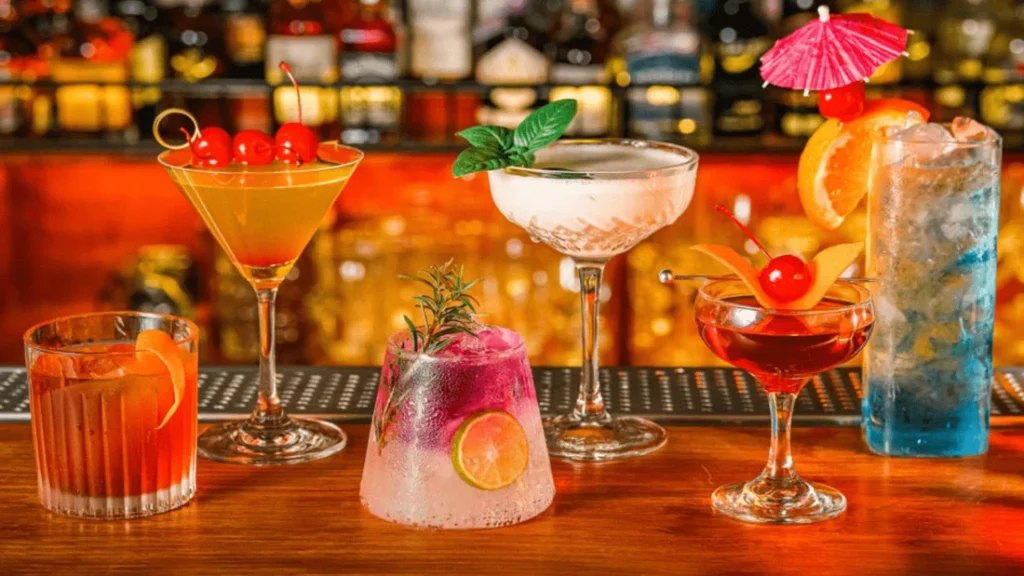
Core ingredients for most home cocktails fall into two broad categories: base spirits and supporting mixers. Base spirits provide the backbone of flavor, body, and aromatic profile, while mixers contribute dilution, sweetness, acidity, carbonation, and texture. Understanding these categories helps you plan recipes, substitute ingredients when necessary, and balance strength with approachability.
Common base spirits include vodka (neutral; excellent canvas for fruity or herbal flavors), gin (botanical complexity through juniper, citrus, and spice), white rum (light and sweet with tropical notes), gold or aged rum (caramel, vanilla, and richness), tequila (blanco provides brightness; reposado adds depth), whiskey (rye or bourbon for spiciness or sweetness), and brandy or cognac for ripe fruit and mature oak character. Each base invites particular modifiers and techniques—shaking for aeration with citrus, stirring for muted, full-bodied texture, or building in a glass for layered flavor.
Popular modifiers include vermouths (dry for crisp dryness, sweet for depth), liqueurs (triple sec, Cointreau, Amaro, Campari), bitters (Angostura, orange, Peychaud’s), syrups (simple, demerara, flavored syrups), and fresh citrus juice. When pairing these with your base, aim for balance: a touch of sweetness, a bright acid, and a hint of bitterness or aroma to carry the drink across the palate. Non-alcoholic options such as shrub syrups or mocktail bases can substitute for alcohol without sacrificing complexity.
For home mixing, stock flexible, high-quality ingredients: a few versatile liqueurs, reliable citrus, fresh herbs, and a couple of syrups you enjoy. This foundation lets you recreate classics and experiment with confidence, adjusting ratios to suit personal preference or guest tastes.
Glassware and Garnishes
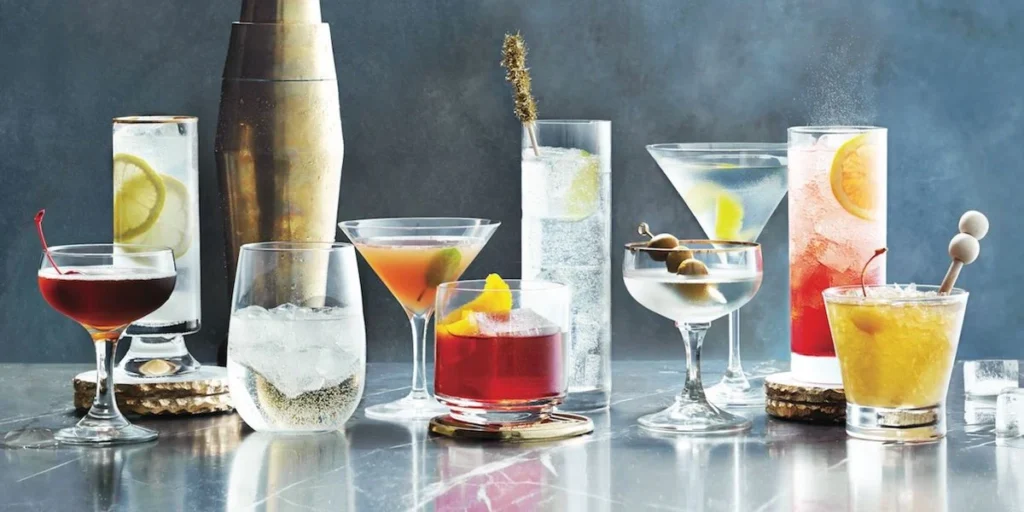
Glassware shapes the drinking experience as much as the drink itself. Use appropriate vessels to support aroma, temperature, and presentation: rocks or old-fashioned glasses for stirred, spirit-forward drinks; coupes or martini glasses for chilled, stirred, or shaken recipes; highballs and Collins glasses for tall, refreshing mixtures; mugs or tiki bowls for bold tropical blends. The right glass helps emphasize texture and portion, guiding the drinker toward the intended sensory experience from first glance to last sip.
Garnishes should enhance aroma, flavor, and look without overpowering the drink. Citrus twists release essential oils when expressed over the surface; wheel or slice garnishes offer a bright accent; fresh herbs add aroma and color; edible flowers can elevate the occasion without clashing with strong flavors. Practical garnishing tips include rim seasoning (salt or sugar as appropriate), maintaining balance so garnishes don’t overwhelm the base drink, and selecting garnishes that complement the drink’s flavor profile. When presenting drinks, ensure garnishes are fresh, well-trimmed, and consistent with the overall style of the recipe.
Key Features and Benefits
The Key Features and Benefits of this cocktail guide center on accessibility, practicality, and reliable technique. You’ll find a curated mix of classic cocktails and easy recipes designed for home bartenders of all levels. Practical tips on balance, measurement, and technique help you build confidence quickly. Garnish ideas, glassware explanations, and presentation tips elevate both everyday drinks and special-occasion signatures. All recipes emphasize fresh ingredients and adaptable flavors, inviting experimentation with seasonal fruits, homemade syrups, and mocktail options when needed.
Why Classic Recipes Matter
Classic recipes matter because they encode the fundamental balance, technique, and history that define cocktail making. They teach how small changes in spirit, sweetness, acidity, or dilution can transform a drink from flat to vibrant. By studying venerable formulas like the Old Fashioned, the Margarita, or the Sidecar, home bartenders learn to measure, adjust, and taste with intention rather than guesswork. Understanding the core ratios—typically a base spirit, a secondary modifier, and a balancing sweetener or acid—creates a flexible framework that supports experimentation without losing structure. Mastering these standards also builds confidence to improvise with ingredients, substitute components, or scale recipes up for parties while staying faithful to the spirit of the original. Classics emphasize the role of ice, temperature, and glassware, reminding us that texture and presentation are part of flavor. They serve as a shared language, letting friends discuss balance and technique with common reference points, whether at a kitchen counter or behind a bar. Beyond flavor, classics reinforce the discipline of mise en place and the habit of preparing a well-stocked bar with versatile components such as citrus zest, bitters, and simple syrups. They invite you to break down each component—spirit, citrus, sweetener, and dilution—and to consider how each element contributes aroma, mouthfeel, and finish. By practicing with a comparatively small set of canonical recipes, you develop the ability to recognize faithful variations and to distinguish them from experiments that drift too far from tradition. In teaching and in practice, we emphasize tasting at multiple stages and evaluating how garnish, aroma, and temperature influence your perception of sweetness and sourness, strength and smoothness.
Benefits of Simple Ingredients
Choosing simple ingredients unlocks speed, cost savings, and clarity in every drink.
- Simple ingredients reduce cost and clutter, letting you focus on technique and balance rather than chasing hard-to-find components at home for every drink.
- Fewer ingredients shorten prep time, making it easier to entertain while still delivering polished cocktails with crisp flavors and well-defined textures.
- Quality staples like fresh citrus, clean spirits, and a reliable syrup base unlock versatility, enabling multiple drinks from a single pantry without sacrificing taste.
- Consistent ingredients reduce variance, helping beginners stay on track while empowering experienced home bartenders to scale recipes with confidence every time.
- Layered flavors emerge from careful selection of one supporting component, teaching you to tune sweetness, acidity, and aroma for balanced, memorable drinks.
This simplicity keeps you focused on technique and balance, enabling consistent results even when entertaining a crowd.
Creative Twists and Seasonal Variations
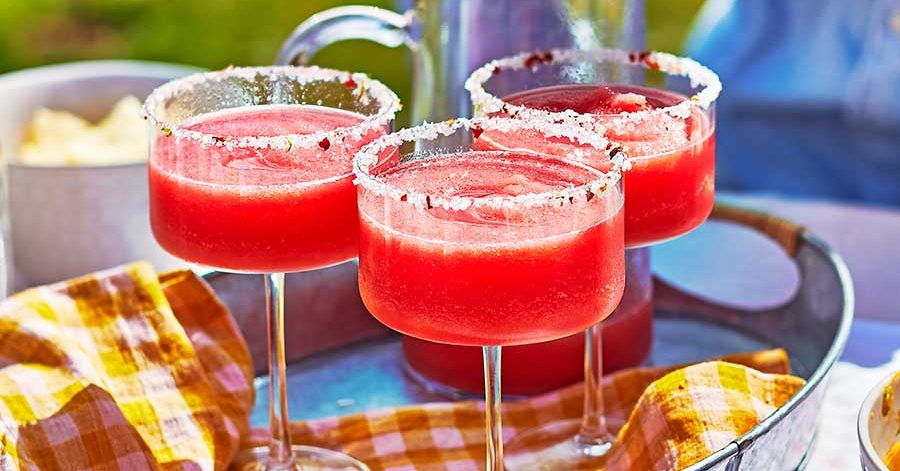
Creative twists breathe new life into familiar favorites, inviting you to reimagine classics with infused spirits, seasonal fruit purées, herbaceous additions, and spice rims. Infusions let you extend your pantry, turning a plain spirit into a canvas for orange zest, vanilla beans, or tea blends, while fresh produce elevates aroma and mouthfeel. Seasonal variations reward experimentation with weather-appropriate ingredients like berries in summer, apples and cinnamon in autumn, citrus and herbs in spring, or tropical fruits in winter. The key is balance: maintain recognizable structure while guiding sweetness, acidity, and texture toward a refreshed profile. Technique remains central, whether you shake longer to extract oils or stir gently to preserve clarity, and glassware choices can enhance aroma and presentation. Garnish and aroma become part of the drink experience, so a zested peel, a herb sprig, or a dash of bitters should harmonize with the base flavors rather than overwhelm them. This approach supports both accessible experimentation and respectful homage to tradition, giving you confidence to craft a personal signature that still nods to a classic backbone.
Serving Occasions and Pairings
Pairing drinks with the right occasion can elevate flavor and conversation. Use the guide below to align cocktails with popular events and complementary foods.
| Occasion | Recommended Drink | Food Match | Notes |
|---|---|---|---|
| Casual evening | Old Fashioned or Daiquiri | Cheeses, olives, nuts | Balanced options that suit relaxed settings |
| Dinner party | Negroni or Margarita | Smoked meats, grilled vegetables | Keep portions refined to allow conversation |
| Cocktail party | Signature cocktail tasting | Tapas, canapés | Offer non-alcoholic options as well |
| Brunch | Aperol Spritz or Bellini | Fruit salads, light pastries | Low ABV and refreshing finish |
This quick guide helps you plan a cohesive beverage program and ensures guests have a coherent experience.
Technical Specifications
Technical specifications underpin consistent, high-quality cocktails for both home bars and professional setups. This section covers measurement standards, core techniques, temperature control, and adaptable formulas that empower experimentation without sacrificing balance. By applying these practical guidelines, you’ll reproduce favorites reliably and craft signature drinks with confidence. Use the frameworks here to compare ingredients, adjust for batch size, and communicate methods clearly with your team.
Measurements and Ratios
Establishing reliable measurement ratios is the backbone of repeatable cocktails. Below are core balance principles you can apply to most drinks, giving you consistency when experimenting.
- Two parts spirit to one part sweet liqueur or sugar syrup creates balanced, approachable profiles that work for many stirred and shaken drinks, especially when citrus is bright.
- Three parts spirit to two parts sour and one part sweet form a flexible formula for sours, highball twists, and modern cocktails that demand crisp acidity.
- One part spirit, one part liqueur, and one part modifiers like bitters or tea infusions encourage nuanced, drinkable profiles suitable for both shaken and stirred methods.
- Bright citrus juice is typically 15–30% of the total volume, ensuring enough acidity to balance sweetness while preserving the drink’s aromatic brightness in the glass.
- Dilution control comes from ice size and shake time; small tweaks impact mouthfeel, aroma release, and overall perception of strength without altering core flavor.
With these ratios in mind, start by using measured pours and adjust gradually to taste. Keep notes so you can reproduce successful experiments.
Techniques: Shaking, Stirring, Muddling
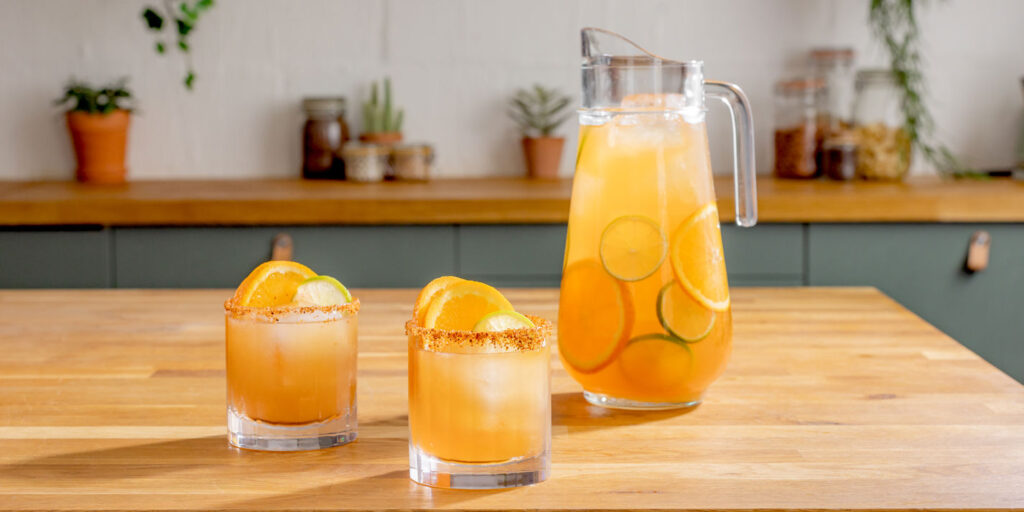
Shaking is ideal for drinks with citrus, dairy, or egg, and for drinks aimed at full integration of flavors. A standard approach uses a two-to-one ice-to-liquid ratio and a vigorous, arc-like motion for about 15–20 seconds, until the outside of the shaker feels cold. Don’t over-shake to avoid melting ice; instead, aim for a balance between dilution and temperature. Strain into a chilled glass through a fine mesh to trap pulp and ice shards, preserving a silky texture. If you’re making large batches, shake in smaller increments to keep each serving consistent.
Stirring is the technique of choice for spirit-forward cocktails where clarity, texture, and precise dilution matter. Use a long spoon and cold, dense ice to minimize surface melt while slowly coaxing the flavors toward equilibrium. A typical stirring motion involves 20–30 slow circular revolutions, allowing air to escape and the drink to become glossy. Taste a small drop midway: if you want more body, continue; if you crave brightness, end sooner. Strain gently to preserve a smooth, velvety mouthfeel, and serve straight or over a large, clean ice cube to emphasize the drink’s refinement.
Muddling is used to extract essential oils and bright flavors from herbs, fruits, and bitter components, but it must be gentle enough not to crush harsh bitterness or release excessive tannins. Start with fresh ingredients, lightly press to release aroma, and stop once you detect a noticeable fragrance rather than pulverizing the mass. For citrus, a light press helps oils bloom over a syrupy base, while for herbs like mint or basil, a single soft twist releases aroma without turning leaves slimy.
In practice, muddle just enough to perfume the drink, then move to the next step and adjust sweetness or citrus balance after tasting. If the recipe calls for an herb infusion, consider a brief infusion time rather than direct muddling to maintain crisp aromatics. Taste after dilution and before serving to confirm balance. These notes help you teach others and preserve your signature technique. Document your choices for acid, sweetness, and dilution so you can reproduce the same drink consistently. Share these notes with guests or teammates to build a shared language for your cocktails. With practice, you’ll intuitively know which technique to apply and when, accelerating your path to signature drinks. Remember to taste frequently and calibrate against a well-balanced benchmark. Keep a small notebook handy. Consistency breeds confidence every time.
Temperature, Ice, and Dilution
Temperature profoundly shapes how a cocktail tastes, looks, and feels in the mouth. Cold liquids suppress perceived sweetness and volatility, making spirits feel more restrained, while warmer drinks reveal brightness and depth. Controlling temperature begins in the mixing glass and carries through to the serving glass. Pre-chill glasses, use properly cooled ingredients, and work in a cool environment when possible. Even small shifts in temperature can alter balance, so account for it when designing a recipe and when scaling for larger batches.
Different ice shapes perform differently, altering surface area, cooling speed, and dilution. Large, dense cubes melt slowly, ideal for spirit-forward cocktails where you want a controlled, slow dilution. Crushed ice chills quickly and adds texture, making it suitable for tropical or tiki drinks and for cocktails embellished with muddled fruit. Ice temperature also matters: use nearly frozen ice to reduce rapid melting, and keep your mixing equipment cold. Consider pre-chilling a pitcher or shaker and store ice in a clean, dry environment to avoid introducing unwanted flavors.
Dilution is a function of ice melt and time, so plan for final taste at serving temperature. Tasting the drink at a slightly cooler temperature can reveal sharper acidity and more pronounced aromas, while warming it in the glass can enhance fullness. If a drink seems too thin, a touch of water or a tad more ice can help; if too sweet, a small amount of citrus or a splash of sparkling water can lift balance. Always label and note the ice and temperature strategy for future recreations. Always calibrate by tasting at the intended final temperature before serving. In plated or flight contexts, offer guests the option to adjust temperature with a splash of ice-cold water or a stone-chill cube.
Choose glassware that maintains the intended temperature and promotes aroma delivery. A frosted coupe can feel chilly to the lips while preserving aroma after a few sips, whereas a thick rocks glass can retain cold longer but may mute scent release. For a maximum sensory impact, pre-chill the glass and pour immediately before serving, then present with a visible sense of chill without leaving visible condensation. If crowds expect long sessions, consider serving in smaller, pre-chilled portions with quick re-chill between rounds to keep temperature stable and experiences consistent. Always calibrate your serving temperature to maintain consistency across service.
Common Cocktail Formulas
Common cocktail formulas give you reliable scaffolding for inventing drinks while preserving balance, aroma, and finish. They are not rigid rules but flexible roadmaps you can adapt to ingredients, glassware, and occasion. Start with a core ratio and scale up or down, then tune sweetness, sourness, strength, and dilution to taste. Record the resulting profile so you can recreate it later, or modify it for different alcohol bases. In practice, using a familiar framework makes experimentation more efficient, helps you communicate ideas to bartenders or friends, and reduces the guesswork that can stall creativity.
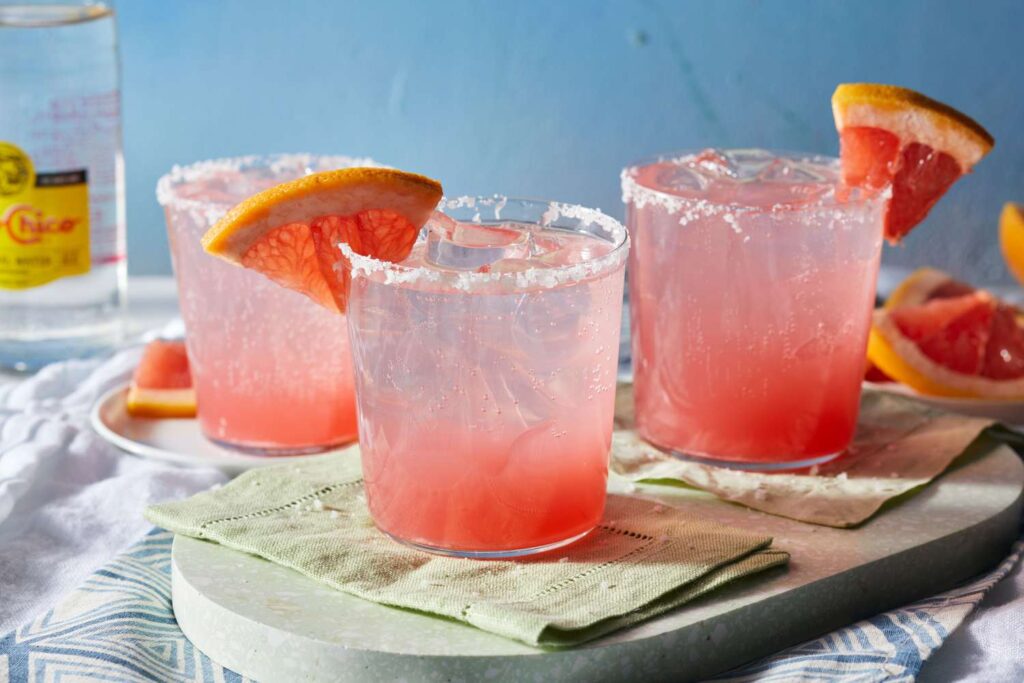
A classic sour formula is a great starting point: 2 parts spirit, 1 part acid (citrus), and 1 part sweet (sugar syrup or liqueur). This balance highlights bright acidity against sweetness and allows a flexible base for fruit additions, egg white for texture, and botanicals for aroma. When you want a lighter drink, reduce the spirit to 1.5 parts and increase the acid or sweet slightly to maintain balance. To finish, adjust dilation with ice or a splash of water and decide whether to serve up, on the rocks, or as a fizz by topping with soda.
Fizz and highball formulas introduce carbonation and dilution without losing balance. A standard fizz can be built from 1.5 parts spirit, 0.75 part sour, 0.5–0.75 part sweet, and a generous splash of carbonated top to lift the aromatics. A highball substitutes sparkling water for some of the dilution, often at a 1:3 to 1:4 ratio of spirit to mixer, keeping the drink light and refreshing. For herbal or citrus-forward drinks, add herbs gently at the shake or stir stage, and consider a late addition of bitterness or aroma to finish. These templates empower experimentation while keeping essential balance intact across ingredients and serving styles at scale globally today.
Pricing, Offers, and Competitive Advantage
Pricing, offers, and competitive advantage play a pivotal role in how cocktail lovers discover and trust our site. We balance accessible price points with high-quality, approachable recipes that work for home bartenders and aspiring mixologists alike. This section outlines practical budgeting tips, starter kit value, where to source ingredients, and a realistic comparison between homemade cocktails and bar prices. By focusing on transparent costs and smart sourcing, we aim to help readers craft fantastic drinks without sacrificing flavor or experience. Our competitive edge comes from a combination of expert-curated recipes, seasonal variations, and clear guidance on presentation and garnishing that elevates every drink.
Cost per Serving and Budget Tips
Understanding the true cost per serving is the foundation of smart home bartending. By breaking down every ingredient from base spirits to garnish, you can forecast how many drinks a bottle or bottle of mixers will yield and plan accordingly. Start with a realistic recipe bundle: estimate the amount of spirit, liqueur, mixer, bitters, and fresh produce used for each serving, then multiply by expected portion sizes. Don’t forget to account for waste and variation in yield from fresh ingredients like citrus or herbs, which can skew the per-drink price if not planned for. When you compare costs, it helps to think in rounds: how many cocktails a bottle of spirit will realistically support, and how many servings your house-made syrups will provide before they run dry. A simple shortcut is to pick a few signature drinks and map out their per-serving costs based on standard brands and seasonal produce. This discipline lets you increase consistency, preserve quality, and experiment without blowing your budget.
Budget tips include choosing versatile base spirits (like vodka, rum, or gin) that mix well with a range of flavors, using fresh citrus when in season, and making syrups in bulk to lower per-serving costs. Bulk spices and bitters can extend many cocktails without a proportional price increase. If you rotate ingredients with what’s on sale, you’ll naturally reduce the average cost per drink while still delivering exciting flavors. Finally, measure ingredients carefully with a jigger and scale up batches for party nights to minimize waste and maximize value.
Additionally, consider preserving quality by sourcing ingredients with longer shelf-lives and focusing on techniques that maximize flavor extraction without excessive use of costly components. For example, infusing a base spirit with a single herb or fruit can unlock multiple drinks, spreading the cost across several servings. Keep a small inventory of essential syrups, garnishes, and core mixers that pair with most recipes. By maintaining a deliberate, repeatable workflow, you can maintain professional results at home while keeping the budget predictable.
Two practical exercises to boost value are price benchmarking and batch testing. Track the price of common ingredients over a month and compare your actual cost per drink against published benchmarks on our site. Run small batch tests for 4–6 servings of a chosen cocktail, then taste-test, adjust sweetness and acidity, and recalculate the per-serving cost. These steps deliver measurable improvements in both flavor and budget adherence.
Home Bartending Starter Kits and Value Packs
A well-chosen home bartending starter kit removes guesswork and elevates every drink. At minimum, look for a shaker, a solid jigger, a strainer, a bar spoon, and a muddler, plus a sharp knife and cutting board for citrus and garnishes. A beginner set typically yields multiple drinks and can be found at sensible prices when bought as a bundle. Prioritize good, durable pieces over flashy gadgets: you’ll get better results and longer life for just a little more upfront investment.
Value packs that bundle spirits, syrups, bitters, and a few glassware pieces can dramatically cut costs while expanding recipe possibilities. Seek kits that include a simple recipe card collection or access to online guides, which save time and spark creativity. If you already own a shaker or a strainer, you can tailor a pack to fill gaps, buying only what you truly need. The goal is a balanced kit: enough gear to execute common cocktails smoothly without cluttering the counter or wasting money on unnecessary extras.
When evaluating value, consider future-proofing: choose tools that work across many drinks, not just one signature recipe. For example, a durable 28–30 oz shaker and a 24 cm bar spoon work for classics and modern concoctions alike, while a mid-size citrus press can cut prep time and preserve juice quality. Look for kits that include a basic syrup or a few garnish ideas, as these extras stretch your versatility without requiring additional purchases. A thoughtful starter kit makes learning, entertaining, and experimenting more affordable and fun.
Finally, monitor the total cost of ownership rather than the sticker price. A slightly higher upfront investment in quality components often saves you money over time by reducing breakages and improving results, which keeps you motivated to try new recipes from our site.
Where to Buy Ingredients
Reliable sources for cocktail ingredients include well-stocked supermarkets, dedicated liquor stores, and reputable online retailers that clearly list origin, batch dates, and ingredients. Start with staple items such as fresh citrus, simple syrups, bitter tinctures, tonic and soda waters, and a small selection of base spirits. For fresh produce, shop by season and consider farmers markets or local grocers who offer quality lemons, limes, and herbs in good condition. When buying spirits, look for versatile options (like a clean white rum or a balanced gin) that pair with many recipes and offer good value for your pantry.
Online sources can save time and money, especially when you stock up during promotions or subscribe for regular deliveries. Compare unit prices per ounce or per milliliter rather than the bottle price alone, and watch for shipping fees that erase savings. Bulk suppliers or wholesale clubs are worth considering for syrups, bitters, and garnishes used across multiple drinks. Finally, rotate ingredients with the seasons and keep track of freshness to avoid waste and maintain flavor integrity.
Comparing Homemade vs Bar Prices
Making cocktails at home typically offers substantial cost savings when compared with ordering drinks at a bar, especially for classic recipes and signature drinks that use common ingredients. When you factor in the price of base spirits, mixers, fresh produce, and garnishes, a well-made at-home cocktail can be a fraction of what you’d pay for a similar drink in a venue. Of course, the exact savings depend on your ingredient choices and how many servings you prepare, but the math generally favors home production for regular entertaining and weeknight mixing.
Beyond price, home bartending gives you control over sweetness, acidity, and strength, enabling consistent quality every time. You can experiment with infusions, adjust garnishes, and tailor recipes to personal preferences, which is harder to achieve in a busy bar setting. The learning curve is real, but the payoff includes greater confidence, a broader repertoire, and the ability to recreate crowd-pleasers without relying on limited bar stock. When you factor in equipment depreciation over time and bulk purchases, the long-term per-drink cost tends to decrease as your toolkit grows.
Another consideration is social energy: hosting gatherings at home expands your capacity to tailor menus and pair cocktails with appetizers or desserts, often at a lower total expense than multiple bar tabs. If you’re entertaining more than a few friends, the spread quickly adds up for both cash and time at a venue. Yet you should be mindful of your time and space, as a more ambitious home program can require storage, cleanup, and some trial-and-error before you hit the sweet spot. Overall, for many enthusiasts, home-making provides better control over costs, quality, and experience, while maintaining flexibility to explore the recipes featured on our site.